

At the heart of our national health ambition is the Neighbourhood Health model: an approach focused on delivering more joined-up, preventative care closer to where people live. It brings together partners across the health and care system to improve access, health outcomes and independence, ensuring support is designed around people rather than organisational structures.
As provider of One You Kensington & Chelsea & Westminster, we are working with system partners to turn this ambition into reality. Our shared goal is to create a health and care system that is connected, accessible and centred on the needs of local communities.
Significant groundwork is already underway. At our recent annual partnership event, we brought together partners from across the local health and care system to explore how we can strengthen the connections between healthcare services and wider community support.
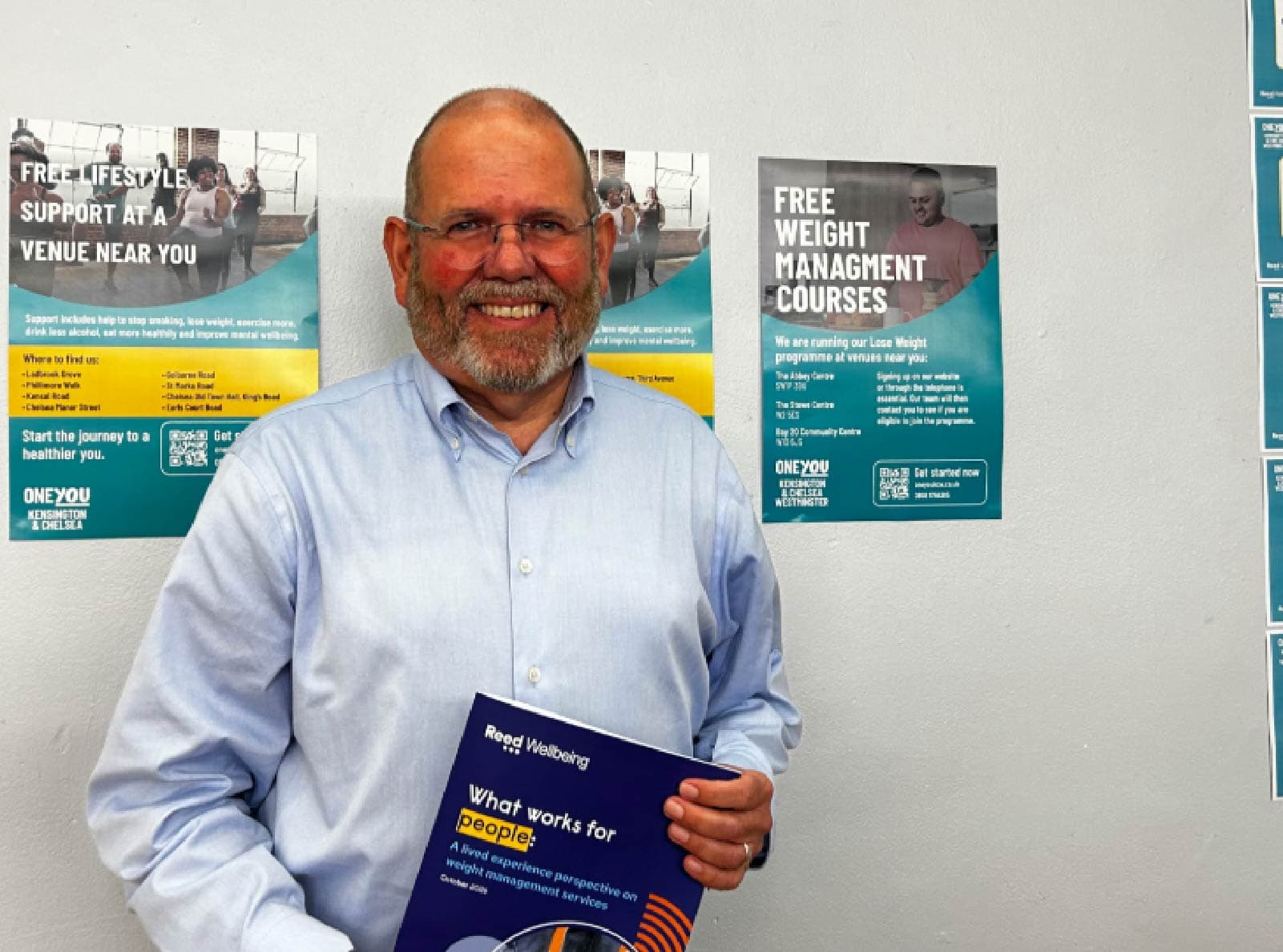
The discussion was informed by evidence from our latest research, which captured the experiences of people accessing weight management support. Encouragingly, what participants told us they want from services closely reflects the direction of travel set out through the Neighbourhood Health model.
One of the clearest messages was that people want to hear about support through trusted routes. They value clear information, consistent messaging and introductions from professionals or organisations they already know and trust.
This highlights the importance of referral pathways. They are not simply administrative processes, they are the mechanisms through which we turn good intentions into action. Effective pathways help identify need earlier, connect people with the right support at the right time and ensure smooth transitions between services so that individuals are not left to navigate a complex system alone.
People also told us they want services to feel connected. They do not distinguish between NHS services, local authorities and voluntary sector organisations. From their perspective, they simply want support that meets their needs in a coordinated and seamless way.
This is where neighbourhood health and tackling health inequalities intersect. We know that the people most likely to experience poorer health outcomes are often those least able to navigate fragmented systems and multiple points of access.
A neighbourhood health approach challenges us to think differently. It asks us to build trusted relationships, create joined-up pathways and ensure that support feels coordinated from the resident's perspective, regardless of organisational boundaries.
At our partnership event, we agreed that we need to strengthen the interfaces between acute care, primary care and community-based services. Every interaction with the health and care system presents an opportunity to identify need earlier, offer preventative support and connect people with ongoing sources of help in their community.
One example of how this vision is being put into practice is the emerging partnership between Canalside Health Centre, Chelsea and Westminster maternity services and One You Kensington, Chelsea and Westminster. Together, we are developing a place-based test-and-learn approach to support women at risk of gestational diabetes, pre-diabetes and Type 2 diabetes.
Moving beyond traditional referral pathways, this work aims to create more integrated support for women and families while generating valuable learning for our evolving neighbourhood-based model of care. As the programme develops, it has the potential to inform wider integrated neighbourhood pathways and strengthen prevention activity across both boroughs. If we continue to build services around people's experiences together, we can create healthier communities.