
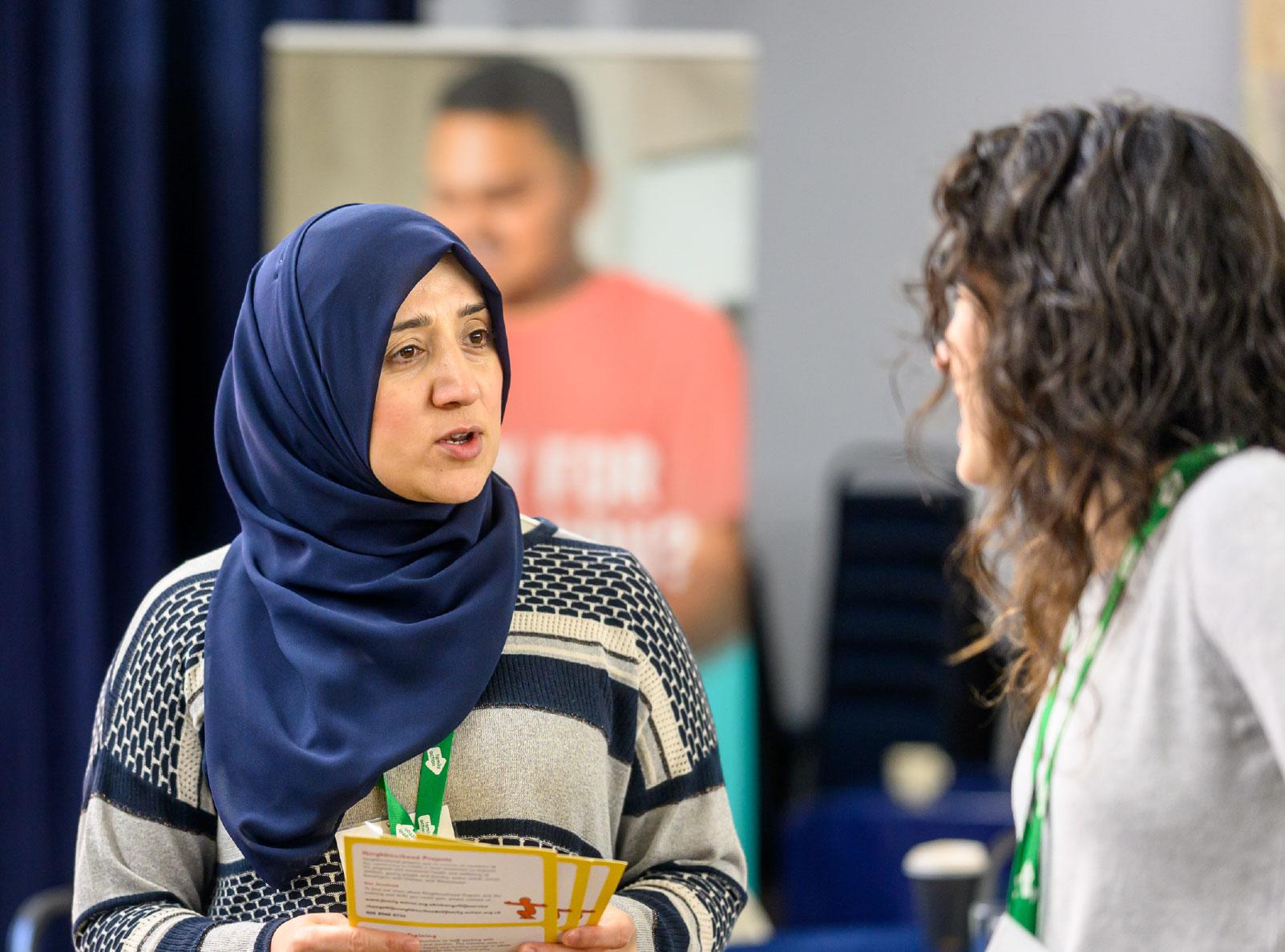

Ramadan is a special time of spiritual reflection, fasting and community. For those on a weight management or a quit smoking journey, it can also bring unique challenges and opportunities. This article provides practical tips to help you maintain healthy habits, manage your weight and stay energised during the holy month.
Tobacco and fasting
During Ramadan, Muslims fast from dawn (Suhoor) until sunset (Iftar). This means avoiding all forms of tobacco during fasting hours. For people who regularly smoke this can lead to cravings, irritability, headaches and low energy.
The good news is that fasting already creates long breaks without tobacco, which can be a powerful starting point for quitting completely.
Why Ramadan is an ideal time to quit smoking
Many people find it a naturally supportive environment for beginning a quit journey. Key benefits include:
Increased motivation – the spiritual focus of Ramadan helps strengthen determination and commitment to healthier habits.
Built‑in routine – fasting hours already require abstaining, making it an effective starting point for a longer‑term quit.
Health improvement – quitting smoking contributes to better lung function, heart health and overall wellbeing, especially beneficial during a time when many aim to purify both body and mind.
Community support – many people feel more encouraged when peers, family and community groups are also making positive changes.
Quitting smoking is a journey and you don’t have to do it alone. You’re three times more likely to quit with the support of a behavioural coach. Whether it’s your first attempt or your tenth, we’re here to support you every step of the way. You can find a list of our quit smoking services across the country on our website.
Healthy eating and fasting
The absence of food and drink can slow metabolism and increase hunger levels, especially at Iftar. Establishing steady eating routines and pacing your meals can reduce the risk of overeating and discomfort.
Risk of fasting
Understanding your risk will depend on different factors specific to you. It is important to discuss with your GP how living with type 2 diabetes, for example and following Ramadan could put your health at risk.
Certain groups are exempt from fasting, including people with significant health conditions, pregnant or breastfeeding women, the elderly, those who are unwell and individuals who are travelling. In these situations, fasting may pose health risks and Islamic guidance encourages prioritising wellbeing and seeking medical advice.
Making a Ramadan plan
Planning ahead can make healthy eating more achievable. Create a plan for Ramadan including meals, meal prep, shopping lists, sunset and sunrise times and prayer times. A structured plan helps you avoid last‑minute food choices that may be high in fat, sugar or salt.
1. Plan balanced meals
Suhoor (pre-dawn meal):
Balanced meal: encourage a nutritious suhoor before daily fasting, a well-balanced suhoor can provide sustained energy and help prevent overeating at iftar.
Choose slow-digesting foods like whole grains, oats and brown rice.
Include protein (eggs, yogurt, beans) to keep you fuller longer.
Add healthy fats (nuts, seeds, avocado) for sustained energy.
Drink plenty of water to stay hydrated.
Eat hydrating foods: eat watermelon, cucumber, soups, fruits with yoghurt, salad, tomatoes, berries, peppers, boiled vegetables as these have high water content.
Iftar (breaking fast):
Pre-prepare food: ensure that food is nutritionally balanced and healthy and not quick 'fast energy' such as high sugar, high fat, processed foods.
Ease the digestive system: Start with dates and water (traditional and healthy)
Start slow to reduce the risk of indigestion and heartburn
Main meal should include Lean protein, complex carbs and vegetables for fibre and nutrients.
Eat slowly to allow the body to understand that it is full to ensure that you are comfortable.
2. Avoid overeating
Break your fast gradually and don’t rush into heavy meals.
Use smaller plates and eat slowly.
Listen to your body: stop when you feel satisfied, not stuffed.
3. Limit sugary and fried foods
Sweet and fried foods are traditional during Ramadan but can be high in calories and low in nutritional value.
Enjoy them occasionally, in small portions.
Replace sugary drinks with water or herbal teas.
4. Stay hydrated
Hydration is vital for energy, digestion and overall wellbeing.
Aim for 8–10 glasses of water between Iftar and Suhoor.
Spread your fluid intake across the evening rather than consuming large amounts at once.
Avoid caffeinated drinks, they can cause dehydration.
5. Physical activity
Light physical activity such as walking or stretching after Iftar supports digestion and helps maintain fitness levels.
Avoid intense exercise during fasting hours, as the body may not have sufficient energy or hydration to perform safely.