
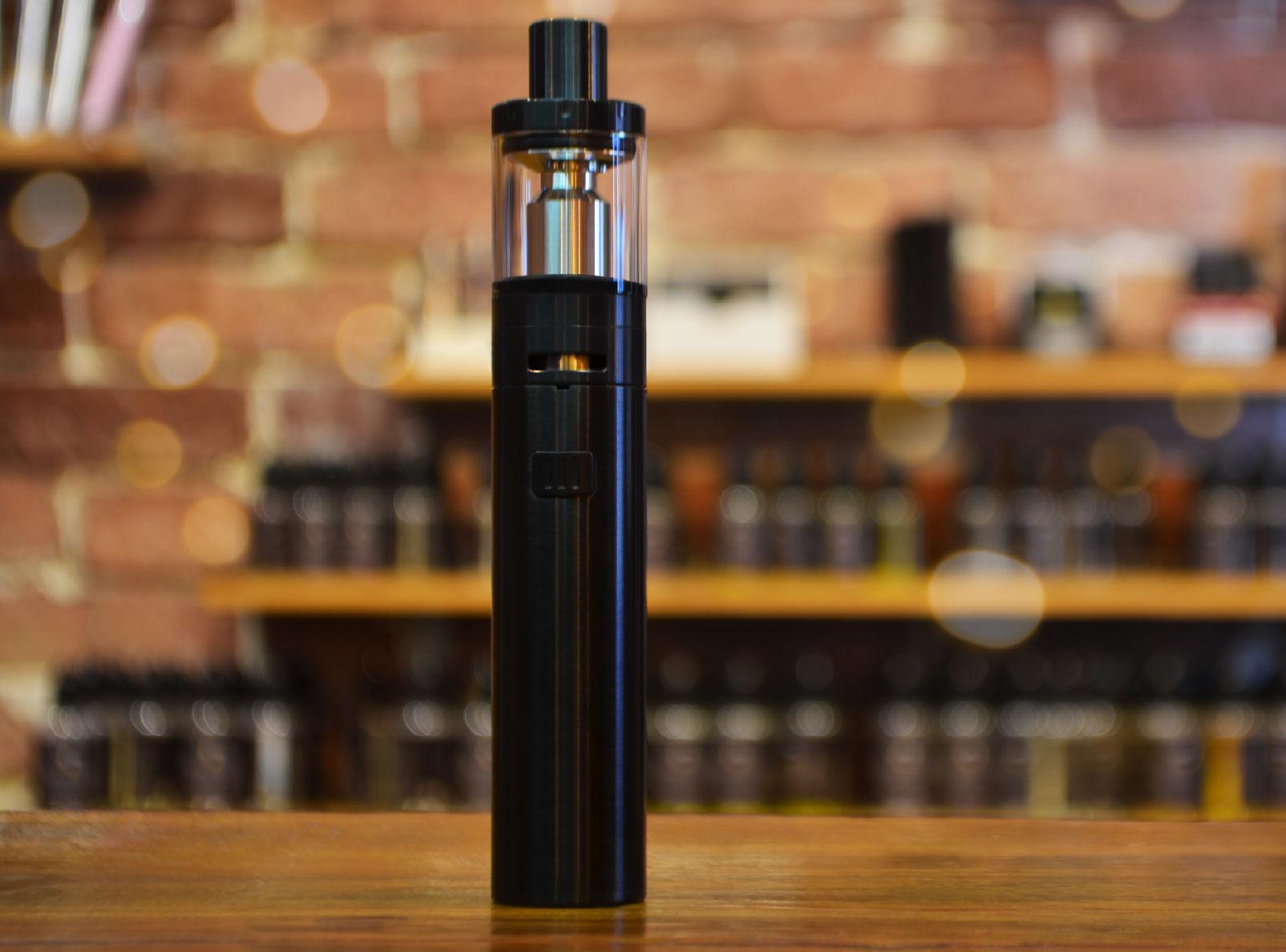

Vapes, also known as e-cigarettes, are the most popular stop smoking aid in England. They deliver an inhalable aerosol vapour without combustion, avoiding harmful chemicals found in tobacco smoke such as tar and carbon monoxide. Nicotine vapes help manage withdrawal and are recommended as an effective smoking cessation aid by several health organisations. While not risk-free, vaping poses only a small fraction of the risks of smoking.
How effective is vaping in helping people to stop smoking?
Nicotine-containing e-cigarettes are recommended as a first choice stop smoking aid by National Centre for Smoking Cessation and Training (NCSCT). Other first choice treatments include; combination NRT (patches plus a fast-acting product) and prescription-only medications Varenicline and Cytisine.
Over half of those who quit smoking in the past 5 years used a vape, that’s over 2.7 million people. One-third of those have since stopped vaping, with an average use duration of one year.
Is vaping safe?
Since 2016, UK law prohibits any ingredient in nicotine-containing e-liquids that poses a risk to human health, whether the ingredient is heated or unheated. This regulation is part of the Tobacco and Related Products Regulations 2016.
The latest evidence on nicotine vape safety (up to 2 years of use) can be found in the Cochrane Review on E-cigarettes, in the 2024 update they found:
High-certainty evidence - Nicotine e-cigarettes are more effective than traditional nicotine replacement therapies (NRT) like patches and gum.
Moderate-certainty evidence - Adverse event rates are similar between nicotine e-cigarettes and other cessation methods.
No serious risks were identified with up to two years of use, though long-term risks (e.g., from flavourings or device impurities) may still emerge.
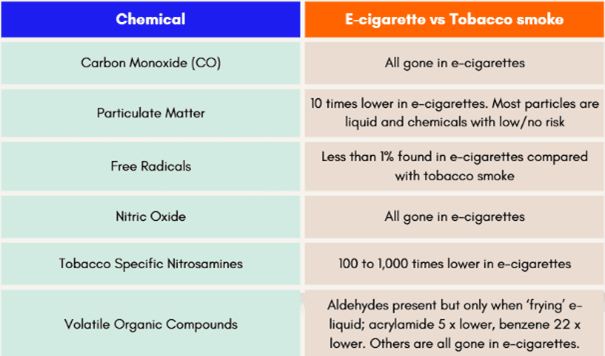
(Figure 1 – Comparison of chemicals in e-cigarettes vs tobacco smoke. Information presented at Smoking Cessation Training and Research Programme Update, December 2024).
Is it ok to vape when pregnant or breastfeeding?
Whilst vaping when pregnant and/or breastfeeding is less harmful than smoking cigarettes, using traditional forms of NRT remains the preferred approach for those wanting to quit smoking when pregnant and/or breastfeeding:
Oral NRT products, such as gum and lozenges used intermittently, are recommended over patches.
Patches may be used for those that are experiencing significant pregnancy related nausea or vomiting. Patches should be removed before bedtime.
Avoiding consuming acidic drinks such as coffee and fruit juice within 15 minutes of using any oral NRT product to ensure adequate absorption of nicotine.
All NRT products should only be used after breastfeeding to minimise infant exposure to nicotine.
Always seek the advice or your GP, midwife or other health professional if you are concerned or have any queries about smoking or quitting smoking during pregnancy and/or breastfeeding.
Vape myth busting
Vaping can cause serious lung injury - In 2019–2020, the U.S. experienced an outbreak of serious lung injuries known as E-cigarette or Vaping Product Use-Associated Lung Injury (EVALI), resulting in over 50 deaths. Initially, these cases were mistakenly attributed to nicotine vaping. However, the U.S. Centre for Disease Control and Prevention (CDC) later confirmed that the injuries were linked to illicit THC-containing e-liquids spiked with vitamin E acetate, a substance banned in UK e-liquids. No similar outbreak has occurred in the UK.
Vapes are a fire risk - To ensure safe use of vaping products at home, store e-liquids in a cool, dark place, out of reach of children and pets. Only use vaping devices that display a CE mark (indicating compliance with EU safety standards). Always use the correct charger for your device. Never leave devices charging unattended or overnight. Individuals using home oxygen should not vape while on supplemental oxygen. Wait at least 5 minutes after removing oxygen before vaping to reduce the risk of igniting the device or tubing.
Vaping can cause popcorn lung - This term refers to a condition observed in factory workers exposed to diacetyl, a chemical used to create buttery flavours in popcorn. Diacetyl has been linked to severe lung damage. However, diacetyl is banned in UK e-liquids, and there is no evidence linking regulated vaping products to this condition.
Vaping can increase your body’s exposure to heavy metals - Concerns about heavy metal exposure from vaping typically relate to improper use, such as "dry drawing" or overheating the e-liquid. These practices can cause metal particles from the coil to be released. Using devices correctly and maintaining them properly helps minimise this risk.
Getting the right support to quit smoking
In our Reed Wellbeing stop smoking services, e-cigarettes as well as other forms of NRT and pharmacotherapy are available for service users to support their quit attempt from tobacco smoking. We offer specialist support to enable our service users to use e-cigarettes safely and effectively. Furthermore, we offer behavioural support to ensure service users develop other healthy habits and coping mechanisms to manage cravings and help to maintain long term abstinence from tobacco.