

Making change manageable with SMART goals
Every session on the programme creates space for reflection. Participants are encouraged to look back on their progress, either individually or as part of a group discussion, using their SMART goal review forms.
This consistent check-in is key. It gives people the opportunity to recognise what’s working, where challenges have arisen and how their thinking is evolving.
At the end of each session, we introduce recommended goals linked to the session’s topic. Participants are then supported to identify what they want to focus on and, importantly, why. This sense of ownership is critical because it moves goals from something abstract to something personally meaningful.
We also encourage participants to anticipate their own barriers. By identifying potential challenges and exploring ways to overcome them, they be prepared to act if they need to. Over time, this approach helps people make small, sustainable changes rather than feeling overwhelmed by the scale of lifestyle adjustments.
Recognising that behaviour is complex
One of the most powerful moments in the programme often comes during one of our sessions called ‘Know your triggers’.
This session focuses on the psychology behind behaviour, particularly around eating habits. As Health and Wellbeing Coaches, we openly acknowledge that behaviour change isn’t simply about knowledge or willpower. For many participants, this is both reassuring and validating.
People often arrive with a strong sense of self-blame, feeling that they should be able to make healthier choices more easily. By recognising the complexity of our own behaviour, we help them to shift that narrative from self-blame to self-understanding.
Participants explore both internal and external triggers. These might include environmental cues such as easy access to takeaways, or emotional responses like boredom, stress or sadness.
Crucially, this session takes place at the midpoint of the nine-month programme. By this stage, participants have already started to notice their own patterns. This makes the discussion more impactful, as they can directly connect theory to their lived experience.
Through group discussion, participants share strategies for managing triggers, learning from one another as well as from the coach. This peer support plays a powerful role in making healthier choices feel achievable rather than restrictive.
Building capability through physical activity
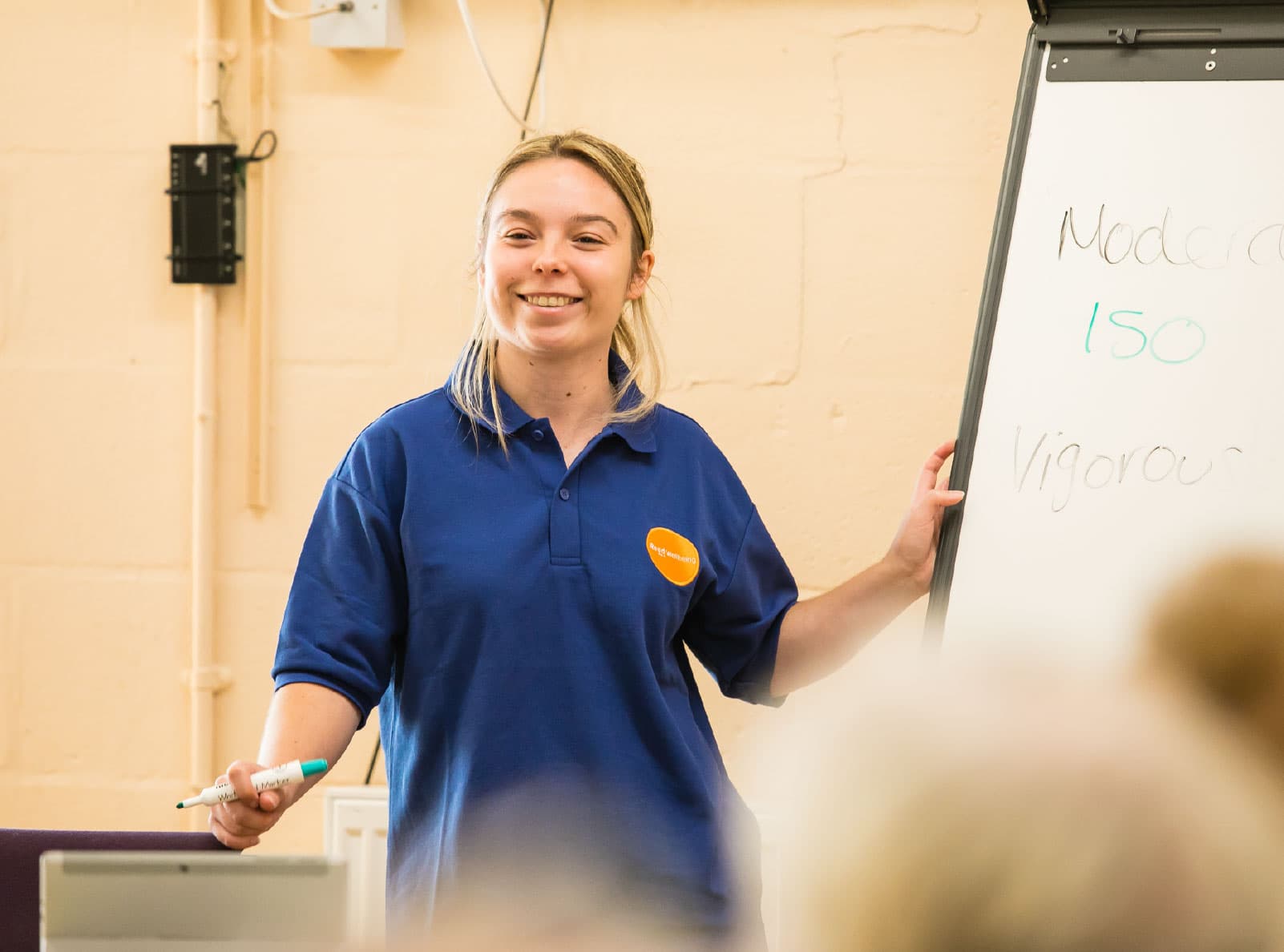
Our physical activity sessions - delivered at key points throughout the programme - combine education with problem-solving.
We start by sharing clear, evidence-based guidance on physical activity. This helps participants understand not just what to do, but why it matters for their health, including its impact on blood sugar regulation, mobility and overall wellbeing.
Many participants are surprised to learn about the role of strength training. While people often associate exercise with cardio or step counts, resistance training is less widely understood despite its important metabolic benefits. Providing this knowledge can be highly motivating and helps broaden their understanding of what being active looks like.
We then explore the barriers people face. These are often practical, such as cost, time or access to facilities, but also include confidence and habit.
Rather than prescribing solutions, we facilitate discussion within the group. Participants suggest realistic and accessible options, such as home-based exercises or local opportunities. This aligns closely with behaviour change models like COM-B, supporting people to increase their capability and opportunity to be active.
As with other sessions, the focus then returns to small, achievable steps. Participants set goals, anticipate challenges, and identify ways to stay on track.
Keeping motivation in focus
Sustaining motivation over time can be difficult, particularly as initial enthusiasm begins to dip. That’s why the programme includes a dedicated ‘Map of Motivation’ within the participant workbook.
This encourages people to reflect regularly on how motivated they feel and what is influencing that motivation.
Coaches play an important role here, prompting discussion around what drives each individual and what might be getting in the way. These conversations help participants reconnect with their personal reasons for change, whether that’s improving their health, supporting their family or feeling more confident day-to-day.
By normalising fluctuations in motivation and exploring ways to respond to them, we help participants stay engaged with the process rather than becoming discouraged.
From theory to lasting impact
Behaviour change is not delivered through information alone. It’s created through reflection, discussion and practical strategies that people can apply in their daily lives.
By embedding behaviour change theory into every aspect of the Healthier You programme, we support participants to better understand themselves, build confidence and take control of their health.
It’s this combination of evidence-based approaches and person-centred delivery that enables small changes to turn into lasting outcomes.